Cupping therapy: a doctor’s approach
I personally think the practitioner matters more than the therapy. I use cupping as one instrument amongst a wider tool set, individualised to the patient in front of me: to prepare tissue for deeper work, to read the body through the marks, and as a treatment in its own right. In my view the strongest results come when modern anatomy and physiology are combined with ancient diagnostic and treatment frameworks, and my aim is always the fewest sessions possible.
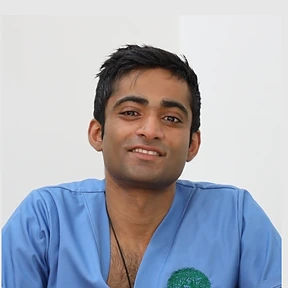
Dr Shehan Wijesingha MD, M.TCM, BMedSci, DipAP, CPT
Summary
- Cupping has been used across the world for several thousand years, from the physicians of ancient Egypt to Hippocrates himself.
- Suction lifts the skin and the tissue beneath it. The marks are blood drawn to the surface; your body typically clears them within days.
- Reported benefits reach well beyond musculoskeletal pain.
- In trained hands, cupping is low risk. In my view, the strongest results come when modern anatomy and physiology are combined with ancient diagnostic and treatment frameworks.
- I use it as one tool among several: to prepare the body for other work, as a diagnostic aid, and as a treatment in its own right.
What cupping therapy is
You’ve seen the marks. Purple circles across an Olympic swimmer’s back, and the internet arguing over whether it’s medicine or fashion.
This page is my answer, as a doctor trained in both worlds.
Cupping is not a trend. It is one of the oldest continuously used medical interventions on earth. There is evidence of it in ancient Egypt 1. Hippocrates himself used and prescribed it 2. It runs through Arabic, Islamic, Prophetic and Unani traditions 3; traditional Chinese medicine 4; Tibetan medicine 5; Korean medicine; and Ayurveda 6.
Whilst cups may have changed - animal horn, bamboo, earthenware, ceramic, metal and eventually glass 7. I don’t think the intent has changed much: create suction, release what is stuck, restore the body.
Historically it was used to treat an astonishing range: fever, pain, vertigo, digestive and gynaecological complaints including dysmenorrhoea, musculoskeletal pain, urinary infections, respiratory illness, skin disease, rheumatic and inflammatory disorders, with ancient texts even recording its use in epilepsy, the violent diarrhoeal illness the ancients called cholera, abscesses, and venomous bites 8.
But history alone does not really prove anything from my perspective and popular does not necessarily mean effective.
Therefore, what genuinely interests me, and what I am primarily exploring on this page, is where ancient frameworks and modern physiology start to tell a similar story, and what happens when you deliberately combine them.
Cupping benefits: does cupping work?
Evidence strength varies by condition, and most benefits are “reported” from trials and systematic reviews of varying quality. With that caveat, here is what the literature shows:
Musculoskeletal. Lower back pain 18, neck and shoulder pain 19, 20, stress-associated headaches and migraine 21, knee pain 22, acute facial paralysis 23, carpal tunnel syndrome 24, 25, ankylosing spondylitis 26, myofasciitis of the back and shoulder, periarthritis 27, and other musculoskeletal disorders 28.
Skin. Plaque psoriasis 29, acne vulgaris 30, acute eczema, neurodermatitis, chronic idiopathic urticaria 31, chloasma 32. Notably, wet cupping has appeared superior to antiviral medication in resolving herpes zoster and lowering the incidence of post-herpetic neuralgia 33, 34.
Respiratory. Chronic asthma, cough and shortness of breath 9, 23, and exogenous fever 32, 35, fitting, since fever seems to be the first condition the Ebers Papyrus recorded, and it makes sense once the mechanisms discussed below are understood.
Circulation, blood and metabolic health. Lower blood pressure over a few weeks alongside conventional antihypertensives 36, 37; lowers LDL cholesterol in healthy young men 38; reported benefits in thalassaemia 39, obesity 40, and combined with conventional treatment in the oral and genital ulceration of Behçet’s disease 25.
Women’s health and digestion. Primary dysmenorrhoea 41, 42; improved gastrointestinal function, including constipation 43.
And one pattern that seems to recur in modern trials is similar to what has been practiced across millennia: cupping’s benefits are strongest in combination 23, 44. I build treatment plans around that fact.
How does cupping therapy create these benefits?
Modern research seems to suggest that cupping works through several overlapping mechanisms.
It decompresses tissue. Negative pressure mechanically lifts skin and fascia - the connective tissue beneath the skin, stimulating sensory nerves that influence pain signals travelling to the spinal cord and brain. This dampens pain locally and in distant areas of the body, while influencing the muscles, organs and connective tissues those nerves supply 9, 10.
It triggers a controlled, localised healing response. Suction dilates capillaries and produces the characteristic marks. The breakdown of that extravasated blood activates local cellular defences: immune regulators and antioxidant defences rise as inflammatory substances fall, while disease-related substances, prostaglandins and inflammatory mediators are drawn into the tissue - where increased lymphatic flow carries accumulated fluid and waste away 7, 11.
It recruits your own pharmacy. Cupping appears to stimulate the release of endogenous opioids, the body’s own pain-relieving, mood-lifting compounds 12, while widening blood vessels to increase local flow and volume: oxygen and nutrients in, metabolic waste out 13–15. These effects can alter circulation elsewhere in the body and shift the activity of the autonomic nervous system 16.
And here is where two languages of medicine seem to say similar things.
In Chinese and Ayurvedic frameworks, cupping warms and releases stagnant qi or prana - roughly translated as life-force energy, and with it the blood, dispelling conditions attributed to cold, wind, dampness, heat and swelling 4, 17. Chinese medicine aims to rebalance yin and yang: strengthen the body’s resistance, expel pathogenic factors, and promote circulation to ease pain 17. In Ayurveda, the same rationale appears as raktamokshana, refining the blood by drawing out deleterious substances, tailored to a person’s vata, pitta or kapha imbalance 6.
What I find truly fascinating is how traditions separated by oceans and millennia seem to converge on similar principles: restore flow, and the body follows. Modern physiology is now increasingly mapping why.
Wet cupping vs dry cupping: hijama, fire cupping and other types
The dividing line between cupping types is primarily: is blood removed, or not?
Dry cupping lifts tissue with suction alone, skin intact 45, the form most common in physical therapy and sports rehabilitation. This is the reason you see athletes with cup marks across their backs 46.
Wet cupping adds small incisions before suction, removing small quantities of blood and extracellular fluid 28, 45. In the Middle East and North Africa it is known as al-hijama, loosely translatable as restoring the body to its natural state 8, and it continues to be practised across China, Korea and parts of Eastern Europe.
Fire cupping inserts a flame into the cup, heating and expanding the air before it is placed on the skin 47.
Beyond these, cupping is genuinely customisable: flash and massage cupping, manual or electrical vacuum methods, deliberate blistering as a technique in its own right 48, suction from light to strong to pulsatile, combinations with herbs, acupuncture, moxibustion, electrical stimulation or water, and applications from cosmetic and facial work to sports, orthopaedic and abdominal treatment, matched to the condition, the goal, and the practitioner’s knowledge and skill 49, 50. Western practitioners typically favour dry cupping; Eastern traditions often draw on the full toolkit, fire, wet and beyond, as indicated 51.
Why I practise dry cupping. The honest reason is hygiene. Working in the West, I must be certain that blood or fluid from one patient can never reach another, and wet cupping demands far stricter sterility at every step. The first rule of medicine is to not harm the patient before you have helped them. I am actively working toward offering wet cupping, because I believe it adds real benefit in certain cases. But I will offer it only at the standard I would accept for my own family.
The dangers of cupping: side effects and risks
I personally think the practitioner matters more than the therapy. Technique, hygiene, and deep understanding of anatomy and physiology from multiple angles don’t just make cupping safer - they make it more effective 52, 53. And knowing what a DVT is, what a dissection is, who is at risk of bruising or keloids is to me the difference between treatment and roulette.
Common and expected. As blood is drawn to the surface: tender red marks, bruising and swelling 45. Marks range from the colour of your skin to light pink, dark red and purple, varying with skin sensitivity and treatment intensity 54. They typically fade within several days, though they can take one to two weeks to fully resolve 47. Soreness and skin tightness for a few days are common, and many people feel warm, occasionally with slight sweating, as the vasodilation takes hold.
Serious, but rare and largely preventable. Vasovagal attacks, infection, nerve phenomena, scarring, embolism and burns, depending on type and technique 53, 55, 56. Also reported: bleeding (occasionally excessive), keloid scarring, blistering, hyperpigmentation and abscess formation 57–59. Excessive wet cupping carries its own risk, severe anaemia has been reported with frequent, heavy treatment 60, 61. There is even a published case of a child’s cupping marks being reported as suspected abuse before anyone recognised what they were 62.
How I use cupping
Very rarely alone. Cupping is one instrument amongst a wider tool set, individualised to the patient in front of me, and combined with hands-on treatment, acupuncture and other techniques. Three roles:
- Preparation - opening tissue before deeper work.
- Diagnosis - reading the body through the marks.
- Treatment - in its own right, when indicated.
For a patient in pain, I may combine cupping with red light therapy, acupuncture, electroacupuncture and scalp acupuncture, targeting the flow of qi or prana from a Chinese medicine and Ayurvedic perspective, or blood flow from a conventional one, so healing can occur in the area.
Often I work on the back. In Chinese medicine, back acupoints allow us to reach organs, meridians and systems through the back alone 63, which to me is strikingly consistent with the reflex-zone mechanisms of conventional science described above.
And when I do this, I use the same cup sizes, applied as quickly as I can, at the same pressure, for the same duration, so the tissue responses and colour of various regions in the back can be objectively measured 64–66. The marks sometimes give me information that history, examination and investigations alone do not.

“If a doctor says it is theatre”
I respect the scepticism. I see it as medicine’s immune system. I often start in the same place when analysing various therapies. But I would start by asking what makes them question it. Have they read the mechanism literature in detail? Do they know what suction does to fascia, capillaries, lymphatic flow, endogenous opioids? And honestly, I would invite them to experience it themselves under the hands of someone who knows what they are doing. I would advise them to read the trials. And after that, have a genuine think if the reason natural therapies like cupping are growing in popularity is because they genuinely work.
If you would like to try this in clinic, feel free to
References
- Ebeid NI. Egyptian Medicine in the Days of the Pharaohs. General Egyptian Book Organization; 1999.
- Christopoulou-Aletra H, Papavramidou N. Cupping: an alternative surgical procedure used by Hippocratic physicians. J Altern Complement Med. 2008;14(8):899-902.
- AlRawi SN, Khidir A, Elnashar MS, et al. Traditional Arabic and Islamic medicine: validation and empirical assessment of a conceptual model in Qatar. BMC Complement Altern Med. 2017;17(1):157.
- Lin X, Wong HF, Ng SC. Cupping, the past and present application. Chinese Medicine and Culture. 2018;1(3):121-126.
- Bradley TS. Principles of Tibetan Medicine. Singing Dragon; 2013.
- Mirza AA, Madni AR, Gannur P. Raktamokshana and cupping therapy: a comparative and critical review. J Ayurveda Integr Med Sci. 2025;10(12):163-170.
- Lowe DT. Cupping therapy: an analysis of the effects of suction on skin and the possible influence on human health. Complement Ther Clin Pract. 2017;29:162-168.
- Qureshi NA, Ali GI, Abushanab TS, et al. History of cupping (Hijama): a narrative review of literature. J Integr Med. 2017;15(3):172-181.
- Al-Bedah AMN, Elsubai IS, Qureshi NA, et al. The medical perspective of cupping therapy: effects and mechanisms of action. J Tradit Complement Med. 2019;9(2):90-97.
- Hou X, Bai ZM, Liu JM. Physiological mechanisms and clinical research progress of cupping therapy. Zhen Ci Yan Jiu. 2021;46(3):254-258.
- Tagil SM, Celik HT, Ciftci S, et al. Wet-cupping removes oxidants and decreases oxidative stress. Complement Ther Med. 2014;22(6):1032-1036.
- Subadi I, Nugraha B, Laswati H, Josomuljono H. Pain relief with wet cupping therapy in rats is mediated by heat shock protein 70 and beta-endorphin. Iran J Med Sci. 2017;42(4):384-391.
- Zhou Y, Cao F, Li H, et al. Photoacoustic imaging of microenvironmental changes in facial cupping therapy. Biomed Opt Express. 2020;11(5):2394-2401.
- Hou X, He X, Zhang X, Liao F, Hung YJ, Jan YK. Using laser Doppler flowmetry with wavelet analysis to study skin blood flow regulations after cupping therapy. Skin Res Technol. 2021;27(3):393-399.
- Mo PC, Lin CF, Li Y, et al. Application of near-infrared spectroscopy to assess the effect of cupping size on the spatial hemodynamic response from the area inside and outside the cup of the biceps. PLoS One. 2024;19(5):e0302828.
- Silva H, Daia AM, Medinas L. Acute cutaneous microvascular responses to local negative pressure in the human forearm. Microvasc Res. 2026;169:105003.
- Matos LC, Machado JP, Monteiro FJ, Greten HJ. Understanding traditional Chinese medicine therapeutics: an overview of the basics and clinical applications. Healthcare. 2021;9(3):257.
- Zhang Z, Pasapula M, Wang Z, Edwards K, Norrish A. The effectiveness of cupping therapy on low back pain: a systematic review and meta-analysis of randomized control trials. Complement Ther Med. 2024;80:103013.
- Kim S, Lee SH, Kim MR, et al. Is cupping therapy effective in patients with neck pain? A systematic review and meta-analysis. BMJ Open. 2018;8(11):e021070.
- Wood S, Fryer G, Tan LLF, Cleary C. Dry cupping for musculoskeletal pain and range of motion: a systematic review and meta-analysis. J Bodyw Mov Ther. 2020;24(4):503-518.
- Ersoy S, Benli AR. Continue or stop applying wet cupping therapy (al-hijamah) in migraine headache: a randomized controlled trial. Complement Ther Clin Pract. 2019;38:101065.
- Li JQ, Guo W, Sun ZG, et al. Cupping therapy for treating knee osteoarthritis: the evidence from systematic review and meta-analysis. Complement Ther Clin Pract. 2017;28:152-160.
- Cao H, Li X, Liu J. An updated review of the efficacy of cupping therapy. PLoS One. 2012;7(2):e31793.
- Movaghar S, Roostayi MM, Naimi SS, Daryabor A, Jahantigh Akbari N, Mehreganfar B. Comparison of 4 weeks of cupping and Kinesio-taping on clinical and ultrasound outcomes of carpal tunnel syndrome during pregnancy. J Bodyw Mov Ther. 2023;35:57-63.
- Al Bedah AMN, Khalil MKM, Posadzki P, et al. Evaluation of wet cupping therapy: systematic review of randomized clinical trials. J Altern Complement Med. 2016;22(10):768-777.
- Ma SY, Wang Y, Xu JQ, Zheng L. Cupping therapy for treating ankylosing spondylitis: the evidence from systematic review and meta-analysis. Complement Ther Clin Pract. 2018;32:187-194.
- Jia Y, Dong X, Chai Y, Bai Z, Sun T, Hou X. Effects of cupping therapy on chronic musculoskeletal pain and collateral problems: a systematic review and meta-analysis. BMJ Open. 2025;15(5):e087340.
- Aboushanab TS, AlSanad S. Cupping therapy: an overview from a modern medicine perspective. J Acupunct Meridian Stud. 2018;11(3):83-87.
- Ma X, Li D, Zhao M, He J, Yang F, Kong J. Bloodletting cupping combined with conventional measures therapy for psoriasis: a systematic review and meta-analysis of randomized controlled trials. Front Med (Lausanne). 2023;10:1132928.
- Tabatabaei F, Pasalar M, Tajadini H, Kamali M, Rampp T. Effectiveness of wet cupping on patients with facial acne vulgaris: a 12-week, randomized, single-blind, intervention-sham-controlled trial. Complement Med Res. 2021;28(6):508-515.
- Xiao XJ, Zhang LX, Shi YZ, et al. Cupping therapy for patients with chronic urticaria: a systematic review and meta-analysis. J Integr Med. 2020;18(4):303-312.
- Mehta P, Dhapte V. Cupping therapy: a prudent remedy for a plethora of medical ailments. J Tradit Complement Med. 2015;5(3):127-134.
- Cao H, Zhu C, Liu J. Wet cupping therapy for treatment of herpes zoster: a systematic review of randomized controlled trials. Altern Ther Health Med. 2010;16(6):48-54.
- Peng P, Jiang C, Wu M, Zhong P. Effects of pricking-and-cupping bloodletting therapy on pain and skin lesions in patients with herpes zoster: a systematic review and meta-analysis. Front Neurol. 2026;17:1806109.
- Liu Y. Cupping therapy for 103 cases of high fever due to infection of the upper respiratory tract. J Tradit Chin Med. 2002;22(2):124-125.
- Aleyeidi NA, Aseri KS, Matbouli SM, Sulaiamani AA, Kobeisy SA. Effects of wet-cupping on blood pressure in hypertensive patients: a randomized controlled trial. J Integr Med. 2015;13(6):391-399.
- Lu S, Du S, Fish A, Tang C, Lou Q, Zhang X. Wet cupping for hypertension: a systematic review and meta-analysis. Clin Exp Hypertens. 2019;41(5):474-480.
- Niasari M, Kosari F, Ahmadi A. The effect of wet cupping on serum lipid concentrations of clinically healthy young men: a randomized controlled trial. J Altern Complement Med. 2007;13(1):79-82.
- El-Shanshory M, Hablas NM, Shebl Y, et al. Al-hijamah (wet cupping therapy of prophetic medicine) significantly and safely reduces iron overload and oxidative stress in thalassemic children: a novel pilot study. J Blood Med. 2018;9:241-251.
- Kang D, Shin WC, Kim T, et al. Systematic review and meta-analysis of the anti-obesity effect of cupping therapy. Medicine (Baltimore). 2023;102(24):e34039.
- Momeni M, Taherpour M, Kazemi A, Ranjkesh F, Salimi H, Shakiba M. The effects of dry cupping on primary dysmenorrhea: a randomized clinical trial. Nurs Midwifery Stud. 2018;7(4):151-156.
- Zhao H, Jang JH, Ryu YH, Han CH. Acupuncture-related therapies for primary dysmenorrhea: a systematic review and network meta-analysis. J Integr Complement Med. 2026;32(2):92-116.
- Shahamat M, Daneshfard B, Najib KS, Dehghani SM, Tafazoli V, Kasalaei A. Dry cupping in children with functional constipation: a randomized open label clinical trial. Afr J Tradit Complement Altern Med. 2016;13(4):22-28.
- Wang Y, Dong S, Li B, Han M, Cao H. Update evidence of effectiveness on pain relieving of cupping therapy: a systematic review and meta-analysis of randomized controlled trials. J Tradit Chin Med. 2025;45(2):234-253.
- Sina RE, Bokhari AA. Cupping therapy. In: StatPearls. StatPearls Publishing; updated 30 October 2023.
- Mohamed AA, Zhang X, Jan YK. Evidence-based and adverse-effects analyses of cupping therapy in musculoskeletal and sports rehabilitation: a systematic and evidence-based review. J Back Musculoskelet Rehabil. 2023;36(1):3-19.
- Chirali IZ. Traditional Chinese Medicine Cupping Therapy. 3rd ed. Churchill Livingstone/Elsevier; 2014.
- Tao JE, Zou ZC. Effects of blistering cupping combined with thunder-fire moxibustion on the efficacy and airway remodeling of cold-wheezing syndrome in bronchial asthma. Zhongguo Zhen Jiu. 2023;43(9):1023-1027.
- Al-Bedah AMN, Aboushanab TS, Alqaed MS, et al. Classification of cupping therapy: a tool for modernization and standardization. J Complement Altern Med Res. 2016;1(1):1-10.
- Li D, Li YJ, Guo Y, et al. World Federation of Acupuncture-Moxibustion Societies (WFAS) technical benchmark of acupuncture and moxibustion: cupping. World J Acupunct Moxibustion. 2024;34(3):222-226.
- Ali MHA, Khalek EMA, Hassan AK, Kotb SAM. Practices of Al-Hijama practitioners at cupping community centers in Qatar. Iran J Nurs Midwifery Res. 2026;31(4):663-669.
- Siregar R, Setyawan A, Syahruramdhani S. A model to standardize safety and quality of care for cupping therapy. J Integr Med. 2021;19(4):327-332.
- Kim TH, Kim KH, Choi JY, Lee MS. Adverse events related to cupping therapy in studies conducted in Korea: a systematic review. Eur J Integr Med. 2014;6(4):434-440.
- Lin CW, Wang JT, Choy CS, Tung HH. Iatrogenic bullae following cupping therapy. J Altern Complement Med. 2009;15(11):1243-1245.
- Daneshfard B, Sadeghi S, Cordato D. Neurological complications of cupping therapy: a comprehensive review. Complement Med Res. 2025;32(2):151-159.
- Kulahci Y, Sever C, Sahin C, Evinc R. Burn caused by cupping therapy. J Burn Care Res. 2011;32(2):e31.
- Park TH. Keloid on scapular area secondary to therapeutic dry cupping. Int Wound J. 2015;12(5):615.
- Mrad MA, Shah Mardan QNM, Kariri SA, Merdad KA. When a traditional medicine customer becomes a plastic surgery patient. Plast Reconstr Surg Glob Open. 2022;10(11):e4669.
- Lee SY, Sin JI, Yoo HK, Kim TS, Sung KY. Cutaneous Mycobacterium massiliense infection associated with cupping therapy. Clin Exp Dermatol. 2014;39(8):904-907.
- Jang AY, Suh SY. Extreme venous letting and cupping resulting in life-threatening anemia and acute myocardial infarction: a case report. World J Clin Cases. 2020;8(24):6432-6436.
- Nielsen A, Kligler B, Michalsen A, Dobos G. Did dry cupping cause anaemia? Acupunct Med. 2013;31(2):254.
- Lupariello F, Coppo E, Cavecchia I, et al. Differential diagnosis between physical maltreatment and cupping practices in a suspected child abuse case. Forensic Sci Med Pathol. 2020;16(1):188-190.
- Chen GL, Xiao GM, Zheng XL. Observation on therapeutic effect of multiple cupping at back-shu points on chronic fatigue syndrome. Zhongguo Zhen Jiu. 2008;28(6):405-407.
- Zhao XX, Tong BY, Wang XX, Sun GL. Effect of time and pressure factors on the cupping mark color. Zhongguo Zhen Jiu. 2009;29(5):385-388.
- Bates-Jensen BM, Jordan K, Jewell W, Sonenblum SE. Thermal measurement of erythema across skin tones: implications for clinical identification of early pressure injury. J Tissue Viability. 2024;33(4):745-752.
- Tian Y, Wang S, Wang G, et al. Color spectrum of cupping mark detected by hyperspectral camera: a preliminary observation. Zhongguo Zhen Jiu. 2016;36(10):1083-1087.
- Jordan K, John GT, Chung A, et al. Impact of skin tone and cupping on erythema and thermal imaging measurements. Sci Rep. 2025;15(1):42575.