Integrative medicine: a doctor’s approach to personalised care
Chronic, unresolved symptoms can change, often far more than people are told. I treat these cases in clinic by reading conventional medicine, Ayurveda and Chinese medicine together rather than one at a time.
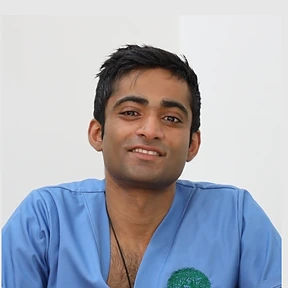
Dr Shehan Wijesingha MD, M.TCM, BMedSci, DipAP, CPT
Why a one-size-fits-all approach fails most chronic cases
There are many people who take medications every day that do not fully help them.1 As a conventionally trained doctor, I worked across various specialities, learning from some of the most respected professionals in each field. Over time, I began to notice a significant gap in how medical training equips doctors to deal with chronic disease.
We were taught to focus primarily on treating symptoms with pharmaceuticals, yet we barely scratched the surface when it came to understanding the deeper causes of disease, inflammation, fatigue, and much more. It became clear to me that true healthcare required more than symptom management. It needed a whole-person approach, looking at the patient at a deeper level. While medications can be the right solution for acute conditions, long-term use can carry significant risks,2–12 cause chronic nutrient depletion,13, 14 and over time create further health problems.15
There is good reason to ask how it makes sense to rely long term on medications that interfere with the body's natural functions, without also exploring approaches that support its innate ability to heal.

It became clear that as doctors we had reached a limit in our ability to manage chronic disease and energy deficiency using conventional tools alone.16 Many vital health principles were not being effectively communicated or taught in medical training. This left doctors without the tools to fully guide patients toward optimal health and vitality. In addition, some of the most useful diagnostic tests were either unavailable or overlooked, and standard lab work often failed to provide the comprehensive insights needed for long-term health management.
This realisation marked the beginning of my journey to explore a broader, more integrative approach. I began investigating the power of nutrition, lifestyle changes, the subconscious mind, and the ancient wisdom of systems like Ayurveda and Chinese Medicine, which are thousands of years old. These approaches offered the possibility of reversing disease by addressing underlying causes, not merely managing symptoms.
The rest of this page may challenge some of the conventional wisdom you are familiar with, especially what doctors and healthcare practitioners are typically taught. I encourage you to read with an open mind.
Where conventional medicine excels and where it can fall short
Conventional medicine is excellent at many things. Emergencies, surgery, diagnosis, medication, imaging, blood testing, monitoring, and specialist care all save lives and protect health every day. These are essential, and any responsible integrative approach uses them properly.
But in chronic, complex, and unresolved cases, there are real limitations.
As a conventionally trained doctor, I was taught to focus on disease models, where treatment typically begins only after symptoms appear. While this approach can be helpful in acute conditions, it is by nature reactive and limited. This is in contrast to older forms of healing where a more proactive approach enabled comprehensive assessment before symptoms became established, for example through pulse diagnosis.
In medical school, much of the training focused on matching certain doses of medications to clusters of symptoms. There were significant gaps in training around nutrition, exercise, supplements, natural remedies, and integrative therapies, which are all crucial elements in long-term health.
Doctors are taught to view randomised controlled trials as the gold standard of evidence. These trials typically isolate a single variable and apply it to patients in highly controlled settings. From a whole-person perspective, this can oversimplify health. Individual differences, lifestyle factors, and the interconnected nature of mind and body are not always captured.17–19 Nutrition is a useful example. A poor diet is one of the largest single risk factors for chronic disease globally,20 yet nutrition research is uneven and often skewed by commercial interests.21 The focus needs to shift from population-based averages toward individual, personalised health responses, where individual factors guide treatment.1, 22
It is worth acknowledging that the diversity and nutritional quality of our food supply have declined, further influenced by food processing23, 24 and post-harvest practices,25, 26 creating conditions for widespread micronutrient depletion in the general population.27, 28 Organic farming can offer a more nutrient-rich alternative, though even here cases of fraud have exposed vulnerabilities in global supply chains.29, 30 Therefore, personalised assessment of the individual’s nutritional and metabolic context now matters more when taking into account the modern food environment.
What integrative medicine means?
The term is used loosely. Two published definitions set the clinical meaning.
The Academic Consortium for Integrative Medicine and Health defines integrative medicine and health as reaffirming the importance of the relationship between practitioner and patient, focusing on the whole person, being informed by evidence, and making use of all appropriate therapeutic and lifestyle approaches, healthcare professionals, and disciplines to achieve optimal health and healing.31
The World Health Organisation, in its Global Traditional Medicine Strategy 2025 to 2034, defines integrative medicine as an interdisciplinary and evidence-based approach to health and well-being that uses a combination of biomedical and traditional and/or complementary medical knowledge, skills and practices.32
In summary, integrative medicine is where biomedical care and traditional complementary approaches are used together. What that looks like in my practice, and how treatment works.
The three generations of medicine
The way I think about this in clinic is in three layers, and the third generation is the most important to understand because it is where genuine personalised care becomes possible.
The first generation is conventional medicine as most people know it. Disease models, where treatment typically begins after symptoms appear. Standardised protocols. Strongest in acute, structural, and emergency settings. Essential, irreplaceable in its strengths, and less complete for chronic, multi-system patterns.
The second generation is lifestyle medicine, functional medicine, and integrative medicine. More and more doctors today recognise that diet and lifestyle are among the most powerful influences on health, in keeping with the basis of older forms of medicine. Lifestyle medicine33 focused on these factors has become a rapidly growing field. Functional medicine34, 35 builds on this foundation, adding root-cause thinking, advanced testing, personalised supplementation, and detailed nutritional and metabolic assessment. Functional medicine is a genuine advance on standard care. It treats the body as an interconnected whole rather than a collection of separate parts, and it has done valuable work in raising the profile of personalisation in medicine.
Integrative medicine, in its more developed form, builds on lifestyle and functional medicine by adding scientifically informed use of complementary therapies and advanced clinical tools.36 By returning the patient to the centre of the frame, integrative medicine acknowledges that the majority of long-term health is shaped by environment and lifestyle, not just genes.37
The third generation is where these advances combine with the most refined ancient clinical traditions. As public interest in lifestyle, functional, and integrative medicine continues to rise,38–43 there is a parallel resurgence of interest in Ayurveda and Traditional Chinese Medicine, the world’s oldest continuously practised holistic medical systems.44–47 These are not merely complementary therapies. They are complete diagnostic systems that have been refined clinically over thousands of years, with their own internal logic for assessing how the body’s regulatory networks are functioning at a system level.
The third generation is not “better than” functional medicine. It is functional medicine, plus something functional medicine does not currently include: thousands of years of system-level diagnostic insight from older medical traditions that are now being studied and validated by modern science.
In practical terms, this means the same patient can be assessed through three medical lenses in one consultation by one doctor: conventional medicine, Ayurveda, and Traditional Chinese Medicine. Pulse diagnosis,48, 49 constitutional assessment, and the combination of these lenses with advanced diagnostics, personalised IV therapy, lifestyle and functional medicine principles, and a broad range of treatment modalities allow a depth of personalisation that no single system on its own can offer.50–53
Patients increasingly want this kind of care. The world is moving toward more personalised, root-cause, whole-person medicine, and the most sustainable answer is not new technology alone. It is the combination of the most modern medical science with the most refined ancient clinical traditions, used together by one trained doctor.
Releasing subconscious blocks: a deeper approach to mental health
Within psychiatry itself, there is ongoing scientific discussion about the mechanisms, effectiveness, and long-term effects of antidepressant medication.54–64 Alongside this, there is growing recognition that talk therapy and coping strategies, while genuinely helpful for many people, do not always reach the deeper layer of the pattern in patients with long-running mental health symptoms.
Ancient healing practices like Ayurveda and Traditional Chinese Medicine offer a complementary understanding of mental and emotional health. Ayurveda’s profound and practical understanding of consciousness highlights the critical role of mental health as the root cause of many physical ailments, recognising the mind as the foundation of overall health. For thousands of years, these traditions have emphasised deeper interventions that target the release of unresolved emotions at the subconscious level to heal the root causes of mental, emotional, and physical imbalances. This holistic approach fosters a profound connection between mind, body, and spirit, facilitating natural healing and nurturing empathy, compassion, altruism, and a sense of purpose.65–72
The growing interest in mindfulness, meditation, yoga, and acupuncture in the West reflects the wider recognition of what Ayurveda and Chinese Medicine have been practising for millennia to support lasting mental and emotional balance. As people increasingly seek to connect their mental health with spirituality, Ayurveda’s long-standing integration of spiritual, mental, and physical healing becomes more relevant than ever. Ayurveda treats the spirit as an essential component of overall health, addressing root causes rather than merely symptoms.

As a conventional doctor as well as an ayurvedic practitioner and Chinese medicine practitioner, my approach integrates the best of these ancient practices with the latest scientific research, utilising energy healing techniques to release energetic and subconscious blocks that contribute to patterns of emotional and physical illness. This work aims to address the root of mental and emotional imbalance - including anxiety, low mood and chronic stress - so change can come from within.
The science behind ancient healing: Ayurveda, TCM, and modern research
Both Ayurveda and Traditional Chinese Medicine (TCM) place the balance and flow of the body’s regulatory systems at the core of health. In Ayurveda, prana, the life force, flows through subtle channels. In TCM, qi describes a similar essential energy. These ancient concepts align with the emerging scientific understanding of the human biofield, where prana and qi parallel electromagnetic and informational fields that influence cellular health. Modern studies in bioenergetics support the idea that human health is influenced by the flow of energy and information within this biofield.
Quantum physics further reinforces this picture by showing that the human body is, at the deepest level, condensed energy and information, resonating with what Ayurveda and TCM have been teaching about subtle energy for thousands of years. Combined with psychoneuroimmunology and bioelectricity research, it becomes clear that these ancient practices address health at a level that modern science increasingly recognises as real and measurable.73–80 Frequency itself, the vibration underlying sound and energy, is one place where ancient understanding and modern physics might be increasingly converging.
Acupuncture points in TCM and marma points or chakras in Ayurveda are now understood, in modern terms, to correspond closely with fascial planes, nerve plexuses, and bioelectric properties of the body.81–98 By working with these key reference points, both systems aim to support mental, physical, and emotional well-being.
Personalised medicine: ancient and future healthcare combined
Ayurveda has practised personalised medicine for thousands of years through the concept of prakriti, which describes an individual’s constitution. Similar to Chinese medicine’s diagnosis of constitutional types, prakriti determines how a person responds to their environment, diet, and treatment. This ancient approach aligns with modern pharmacogenomics, where genetic makeup influences disease risk and treatment response.
Research is now linking specific genetic markers to prakriti types, much like acupuncture points are increasingly tied to physiological structures. For example, people with a kapha constitution have been shown to have genetic signatures linked to metabolism, while those with vata traits may have a higher risk for neurodegenerative conditions. This personalised approach is at the frontier of healthcare, merging genomics and ancient clinical traditions.99–117
What integrative medicine means in my practice
When treating patients, my approach to holistic health and natural healing is no different to how I would treat loved ones. I aim to blend the best of ancient wisdom with cutting-edge science, creating a framework that addresses the root causes of illness rather than merely managing symptoms.
By integrating the science and foundational principles behind lifestyle, functional, and integrative medicine, along with advanced and ancient diagnostic systems, the goal is to optimise the body’s natural healing processes. The two oldest holistic medical systems in the world, Ayurveda and Traditional Chinese Medicine, are incorporated to extend this further. These practices offer insights into physical health and, importantly, target mental and emotional imbalances at their core, supporting healing at deeper levels than symptom management alone allows.

A patient’s plan may include modalities such as personalised nutrition, herbs and spices, supplements, advanced acupuncture, mind-body work (which may include bodywork and cupping), red light therapy, IV therapy, and subconscious release work. Often many of these are used together, because the body works as a whole, not as separate parts.
Through this combination of training, experience, and ongoing research across three forms of medical practice, the aim is to offer a genuinely comprehensive and personalised healthcare experience. An increasing amount of evidence supports this integrated approach, which helps patients work toward overall well-being, sustainable energy, and mental clarity.
Whilst I understand that my approach to healthcare is very different from the typical one, I am confident the future of healthcare will look more like this. It is what patients want, and it is what they deserve. I will keep practising this way, and keep making the case for it.
If you would like this kind of assessment, feel free to
References
- Personalized medicine: Time for one-person trials; N. J. Schork
- Medication Without Harm; World Health Organisation
- Attention-Deficit/Hyperactivity Disorder Medications and Long-Term Risk of Cardiovascular Diseases; L. Zhang et al.
- The treatment of attention deficit hyperactivity disorder has no proven long-term benefits but possible adverse effects; K. W. Lange
- Association of long-term use of non-steroidal anti-inflammatory drugs with knee osteoarthritis: a prospective multi-cohort study over 4-to-5 years; Z. Salis & A. Sainsbury
- The Association Between Prolonged Use of Oral Corticosteroids and Mental Disorders: Do Steroids Have a Role in Developing Mental Disorders?; M. A. Alturaymi et al.
- Benzodiazepines: Uses, Dangers, and Clinical Considerations; A. N. Edinoff et al.
- Review of the Long-Term Effects of Proton Pump Inhibitors; W. B. Lehaut & D. M. Hughes
- Assessing the impact of contraceptive use on mental health among women of reproductive age – a systematic review; S. Jahanfar
- Burden of Potentially Harmful Medications and the Association With Quality of Life and Mortality Among Institutionalized Older People; A. L. Juola et al.
- Potentially Harmful Drug–Drug Interactions in the Elderly: A Review; L. E. Hines & J. E. Murphy
- Using Medications Appropriately in Older Adults; C. M. Williams
- Evidence of Drug–Nutrient Interactions with Chronic Use of Commonly Prescribed Medications: An Update; E. S. Mohn et al.
- Medications and Micronutrients: Identifying Clinically Relevant Interactions and Addressing Nutritional Needs; J. D. Prescott et al.
- Drugs That Don’t Work and Natural Therapies That Do!; D. Brownstein
- Cu-RE Your Fatigue: The Root Cause and How To Fix It On Your Own; M. Robbins
- Perspective: Fundamental Limitations of the Randomized Controlled Trial Method in Nutritional Research: The Example of Probiotics; D. Zeilstra et al.
- Optimizing clinical nutrition research: the role of adaptive and pragmatic trials
- Evidence-Based Public Health: Moving Beyond Randomized Trials; C. G. Victora et al.
- Health effects of dietary risks in 195 countries, 1990–2017: a systematic analysis for the Global Burden of Disease Study 2017; A. Afshin et al.
- Stolen Harvest: The Hijacking of the Global Food Supply; V. Shiva
- What is Evidence-Based Functional Medicine in the 21st Century?; J. S. Bland
- The Impact of Artificial Sweeteners on Human Health and Cancer Association: A Comprehensive Clinical Review; W. Ghusn et al.
- Impact of food additives on the composition and function of gut microbiota: A review; Y. Cao et al.
- Storage of Fruits and Vegetables in Refrigerator Increases their Phenolic Acids but Decreases the Total Phenolics, Anthocyanins and Vitamin C with Subsequent Loss of their Antioxidant Capacity;. J. H. Y. Galani
- Phytochemical changes in phenolics, anthocyanins, ascorbic acid, and carotenoids associated with sweetpotato storage and impacts on bioactive properties; M. H. Grace et al.
- The Impact of Food Processing on the Nutritional Quality of Vitamins and Minerals; M. B. Reddy & M. Love
- Global relationships between crop diversity and nutritional stability; C. Nicholson et al.
- Consumer trust in organic food and organic certifications in four European countries; B. Murphy et al.
- Considering Fraud Vulnerability Associated with Credence-Based Products Such as Organic Food; L. Manning & A. Kowalska
- Mission and Vision: What is Integrative Medicine?; Academic Consortium for Integrative Medicine and Health
- Global traditional medicine strategy 2025–2034 (glossary definition of integrative medicine); World Health Organisation
- Foundations of Lifestyle Medicine and its Evolution; D. Lippman et al.
- The Disease Delusion: Conquering the Causes of Chronic Illness for a Healthier, Longer and Happier Life; J. S. Bland
- What is Evidence-Based Functional Medicine in the 21st Century?; J. S. Bland
- Integrative Medicine: Integrative Medicine; D. P. Rakel & V. Minichiello et al.
- The ageing epigenome and its rejuvenation; W. Zhang et al.
- The prevalence of complementary and alternative medicine use among the general population: a systematic review of the literature; P. Harris & R. Rees
- Use and Acceptance of Complementary and Alternative Medicine Among the General Population and Medical Personnel: A Systematic Review; M. Frass et al.
- The prevalence of complementary and alternative medicine use among the general population: a systematic review of the literature; P. Harris & R. Rees
- Clinical practice guidelines on the evidence-based use of integrative therapies during and after breast cancer treatment; H. Greenlee et al.
- Noninvasive Treatments for Acute, Subacute, and Chronic Low Back Pain: A Clinical Practice Guideline From the American College of Physicians; A. Qaseem et al.
- CAM in Psychiatry; J. Melzer et al.
- Globalisation of Ayurveda: Importance of Scientific Evidence Base; K. Chattopadhyay
- Contribution of world health organization in the global acceptance of Ayurveda; A. Chaudhary & N. Singh
- Improving acupuncture research: progress, guidance, and future directions; Y. Zhang et al.
- Acupuncture: Past, Present, and Future; J. Jishun & M. Mittelm
- Historical Overview of Pulse Examination and Easy Interpretation of Pulse (Nabz) Through Unani Metaphysics; A. Mastan
- The Pulse in Ancient Medicine Part 1; R. Hajar
- Textbook of Ayurveda: Fundamental Principles; V. Lad
- Ayurveda: The Science of Self-Healing: A Practical Guide; V. Lad
- The Foundations of Chinese Medicine: A Comprehensive Text For Acupuncturists and Herbalists; G. Macioca
- The Web That Has No Weaver: Understanding Chinese Medicine; T.J. Kaptchuk
- The Serotonin Theory of Depression: A Systematic Umbrella Review of The Evidence; J. Moncreiff et al.
- Serotonin and Depression; D. Healy
- Increased Risk of Dementia in Patients with Antidepressants: A Meta-Analysis of Observational Studies; Y. Wang et al.
- Antidepressant use and risk of adverse outcomes: population-based cohort study; N. Bansal et al.
- Antidepressant withdrawal – the tide is finally turning; M. P. Hengartner et al.
- Precursors to suicidality and violence on antidepressants: systematic review of trials in adult healthy volunteers; A. Bielefeldt et al.
- Antidepressants and health-related quality of life (HRQoL) for patients with depression: Analysis of the medical expenditure panel survey from the United States; O. A. Almohammed et al.
- Do depressed patients on adjunctive atypical antipsychotics demonstrate a better quality of life compared to those on antidepressants only? A comparative cross-sectional study of a nationally representative sample of the US population; Y. Sulaiman et al.
- Association between suicide attempts and selective serotonin reuptake inhibitors: systematic review of randomised controlled trials; D Fergusson et al.
- Meta-analyses with industry involvement are massively published and report no caveats for antidepressants; S. Ebrahim et al.
- Response to Acute Monotherapy for Major Depressive Disorder in Randomized, Placebo Controlled Trials Submitted To The US Food and Drug Administration: Individual Participant Data Analysis; M. B Stone et al.
- Consciousness and the Unconscious: Eastern Meditative and Western Psychotherapeutic Approaches; E. W. Russell
- Eastern Conceptualizations of Happiness: Fundamental Differences with Western Views; M. Joshanloo
- Western Individualism and Psychotherapy: Exploring the Edges of Ecological Being; M. Ingle
- Psychotherapy East & West; A Watts
- The Oxford Handbook of Psychology and Spirituality; L. J. Miller
- Eastern Body, Western Mind: Psychology and the Chakra System as a Path to the Self; A. Judith
- Theories of the Chakras - Bridge to Higher Consciousness; H. Motoyama
- Ayurvedic Healing: Contemporary Maharishi Ayurveda Medicine and Science; H. M. Sharma
- Is Consciousness the Unified Field? A Field Theorist’s Perspective; J. Hagelin
- How Healing Happens: Exploring the Non Local Gap; L Dossey
- Bio-photons and bio-communication; R VanWijk
- Energy Medicine: The Scientific Basis; J.L. Oschman
- Biofield Science and Healing: History, Terminology, and Concepts; B Rubik et al.
- Correlation of Physiological Principles of Ayurveda with Spin Types of Quantum Physics; S. C. Lakhotia
- The Biofield: Bridge Between Mind and Body; B. Rubik
- Indo-Tibetan Philosophical and Medical Systems: Perspectives on the Biofield; S. Jain et al.
- The Spark in the Machine: How the Science of Acupuncture Explains the Mysteries of Western Medicine; D Keown
- Fascia research – A narrative review; T. Findley et al.
- Relationship of acupuncture points and meridians to connective tissue planes; H. M. Langevin & J. A. Yandow
- Fascial plasticity – A New Neurobiological Explanation Part 2; R. Schleip
- Anatomic Characterization of Acupuncture System and Ultra-Weak Photon Emission; R. V. Wijk et al.
- The Spark in the Machine: How the Science of Acupuncture Explains the Mysteries of Western Medicine; D. Keown
- Connective Tissue: A Body-Wide Signaling Network?; H. M. Langevin
- Ayurveda and Marma Therapy: Energy Points in Yogic Healing; D Frawley et al.
- The Chakra System and Ancient Wisdom Traditions Worldwide; P. D. Williams M.D
- Physio-anatomical resemblance of inferior hypogastric plexus with Muladhara Chakra, A Cadaveric study; K. M. Sweta et al.
- Study of Swadhishthana Chakra and Hypogastric Plexus in View of Reproductive Activity; N. B. Pitla & P. R. Deshpande
- Comprehensive Review on Physioanatomical Aspects of Manipura Chakra
- Role Of Anahata Chakra And Cardiac Plexus In Cardiac Activity Dr. S. D. Rokade
- Neuro-anatomical And Physiological Study On Shadachakra; R. K. Manik
- Pineal Gland - A Spiritual Third Eye: An Odyssey of Antiquity to Modern Chronomedicine
- Theories of the Chakras - Bridge to Higher Consciousness; H. Motoyama
- Wheels of Light; R Bruyere
- A Study of Structural Integration From Neuromuscular, Energy Field and Emotional Approaches; V Hunt et al.
- Whole genome expression and biochemical correlates of extreme constitutional types defined in Ayurveda; B. Prasher et al.
- Genome-wide analysis correlates Ayurveda Prakriti; P. Govindaraj et al.
- Predictive, Preventive and Personalized Medicine: Leads From Ayurvedic Concept of Prakriti (Human Constitution); R. Sharma & P. K. Prajapati
- An Ayurgenomics Approach: Prakriti-Based Drug Discovery and Development for Personalized Care; Z. Huang et al.
- The Microbiome in Health and Disease from the Perspective of Modern Medicine and Ayurveda; R. K. Wallace
- Unravelling the Gut-Lung Axis: Insights into Microbiome Interactions and Traditional Indian Medicine’s Perspective on Optimal Health; S. Haldar et al.
- Dosha brain-types: A neural model of individual differences; F. T. Travis & R. K. Wallace
- Ethnopharmacology and integrative medicine – Let the history tell the future; P. K. Mukherjee et al.
- Development of Ayurveda – Tradition to trend; P. K. Mukherjee et al.
- Building bridges between Ayurveda and Modern Science; S. Rastogi
- Ayurvedic research and methodology: Present status and future strategies; A. Chauhan et al.
- Relationships among classifications of ayurvedic medicine diagnostics for imbalances and western measures of psychological states: An exploratory study; P. J. Mills et al.
- Ayurveda fundamentals and science – A perspective; B. P. Tubaki & B. S. Prasad
- Bridging Ayurveda with evidence-based scientific approaches in medicine; B. Patwardhan
- Ayurveda and the science of aging; R. V. Rao
- Ayurvedic research and methodology: Present status and future strategies; A. Chauhan et al.
- Relationships among classifications of ayurvedic medicine diagnostics for imbalances and western measures of psychological states: An exploratory study; P. J. Mills et al.
- The Hidden Secret of Ayurveda; R. E. Svoboda
- Ayurveda - Ancient Science and Technology: A Quantum Paradigm; S. Lakshmanan