Mental health helplines in Malta: a directory of free numbers, chat and support
If you are in crisis right now, call 1579, 1770 or 112 before reading any further. If it is not urgent, and you would like to understand my approach to mental health care, that is on the mental health page.
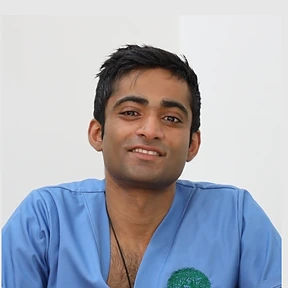
Dr Shehan Wijesingha MD, M.TCM, BMedSci, DipAP, CPT
If there is an immediate threat to life, call 112 or go to Mater Dei A&E.
If the situation is acute right now
Call 112, 1579, 9933 9966, 179, or 1770, or go to Mater Dei A&E.
This applies particularly when there is any thought of self-harm or suicide, symptoms of psychosis, mania, sudden disorientation, acute risk to someone else, dangerous alcohol or drug withdrawal, a recent sudden and dramatic change in symptoms, or a safeguarding concern.
| Contact | When it may fit | Availability and type of support |
|---|---|---|
| 112 | When there is an immediate threat to life | Emergency services |
| Mater Dei A&E | For urgent medical problems | When someone presents with severe psychiatric symptoms, the on-call psychiatry team can be alerted and involved in assessment and next steps where needed. |
| 1579 | Immediate and free emotional support, advice and practical guidance for anyone in need | Malta's 24-hour national telephone helpline, staffed by psychology professionals |
| 9933 9966 | For people in an unstable situation of extreme danger or difficulty that may affect daily function or endanger life, including vulnerability to self-harm, violence, exploitation or neglect | Crisis Resolution Malta, a free 24/7 crisis line |
| 179 | Child abuse, domestic violence, drug, alcohol or gambling problems, and homelessness | A free 24/7 national helpline providing unbiased support and referral to social service agencies |
| 1770 | Mental health support services including support groups, educational programmes, counselling services, assisted living, rehabilitation programmes, and psychological support services | Free and confidential. Available Monday to Friday 8 AM to 8 PM, and Saturdays until 4 PM, excluding public holidays. Outside these hours, Richmond directs callers to 1579. |
| kellimni.com | Online support chat | Free, anonymous, confidential online support chat, available 24/7 |
Contact details, opening hours and services can change.
Mental health helpline numbers in Malta
-
112 - emergency services when there is an immediate threat to life.
-
1579 - Malta’s 24-hour national telephone helpline, staffed by psychology professionals, providing immediate and free emotional support, advice and practical guidance for anyone in need 1.
-
9933 9966 - Crisis Resolution Malta, a free 24/7 crisis line, for people in an unstable situation of extreme danger or difficulty that may affect daily function or endanger life, including vulnerability to self-harm, violence, exploitation or neglect 2.
-
179 - a free 24/7 national helpline providing unbiased support and referral to social service agencies in cases such as child abuse, domestic violence, drug, alcohol or gambling problems, and homelessness 3.
-
1770 - Richmond Foundation’s mental health helpline (1770), free and confidential. Available Monday to Friday 8 AM to 8 PM, and Saturdays until 4 PM, excluding public holidays. Outside these hours, Richmond directs callers to 1579 4. Richmond Foundation also provides mental health support services including support groups, educational programmes, counselling services, assisted living, rehabilitation programmes, and psychological support services.
-
Mater Dei A&E - for urgent medical problems. When someone presents with severe psychiatric symptoms, the on-call psychiatry team can be alerted and involved in assessment and next steps where needed.
-
Sedqa - residential services with a multidisciplinary team to help individuals and their loved ones suffering from substance abuse. Sedqa can be contacted on 2388 5110 during office hours 7.
-
Victim Support Agency - the National Support Line for Victims of Crime is 116 006, available seven days a week including public holidays, with email vsasupport@gov.mt 8. Victim Support Malta supports victims of crime, including domestic violence, physical assault, sexual assault, human trafficking, robbery, arson and cybercrime and individuals who have attempted suicide in the three months prior to intake and want to prevent it from happening again. Contact 2122 8333 or info@victimsupport.org.mt 9.
-
Caritas Malta - a non-profit social welfare organisation and service of the Catholic Church in Malta, providing a range of services including social work interventions, counselling, community educational programmes, and drug rehabilitation. Contact 2219 9000 or info@caritasmalta.org 10.
Free mental health services, therapy support and chat in Malta
-
kellimni.com - free, anonymous, confidential online support chat, available 24/7 5.
-
olli.chat - Richmond Foundation’s online chat service. Same hours as the 1770 helpline: Monday to Friday 8 AM to 8 PM, and Saturday until 4 PM 4, 6.
How mental health care is structured in Malta
Malta has three broad layers of mental health support: the public system, the private sector, and NGOs or voluntary organisations.
The public system can usually be the strongest route when there is acute risk, severe depression, psychosis, mania, complex diagnosis, medication needs, addiction, safeguarding concerns, or the need for hospital-based care. It includes Mater Dei A&E, psychiatry liaison, community mental health teams, crisis resolution, and specialist services.
The private sector can be useful when someone wants shorter waits, continuity with one clinician, a specific therapeutic approach, or a more flexible appointment structure. The trade-off is cost, and quality depends on the practitioner’s training, warranting, experience, and fit.
NGOs and voluntary organisations can be an easier first contact for emotional support, family difficulties, addiction, domestic violence, victim support, or when someone is not ready to enter the medical system. NGOs are not medical providers. They can support, listen, refer, and sometimes deliver therapy or rehabilitation, but they cannot prescribe medication or make clinical diagnoses. For anything that needs medication or formal diagnosis, the route is through a GP, psychiatrist, or the public mental health system.
Which service fits which situation
Immediate risk, psychosis, mania, severe depression, sudden confusion, or risk to others: Mater Dei A&E, 112, 1579, or urgent psychiatric assessment.
Addiction or substance-use problems: Sedqa, Caritas, OASI in Gozo, or a GP or psychiatrist depending on severity.
Domestic violence, sexual assault, crime-related trauma, or safeguarding concerns: Appoġġ, Victim Support services, 179, 116 006, or emergency services if there is immediate danger.
Child, adolescent, neurodevelopmental, eating-disorder, perinatal, or treatment-resistant symptoms: specialist psychiatric or psychological services are usually more appropriate than general support alone.
If you are choosing a professional
If you are past the crisis point and trying to decide which kind of professional to see, this guide explains the difference between a GP, psychiatrist, psychologist, psychotherapist and counsellor.
For chronic anxiety, burnout, sleep disturbance, fatigue or body-held patterns that have not resolved with standard care, deeper integrative mental health may be considered alongside or after standard care.
References
- Malta Ministry for Health . 1579 Mental Health Helpline
- Crisis Resolution Malta . 24/7 Free Crisis Support
- Child Helpline International . Malta: Support Line 179
- Richmond Foundation . Get help now: Helpline 1770 and OLLI.Chat
- Kellimni.com . Free online support chat
- OLLI.Chat . Richmond Foundation online chat service
- Aġenzija Sedqa / FSWS . Sedqa symptoms booklet and support contact details
- Victim Support Agency . National Support Line for Victims of Crime
- Victim Support Malta . Contact and referral form
- Caritas Malta . Contact details